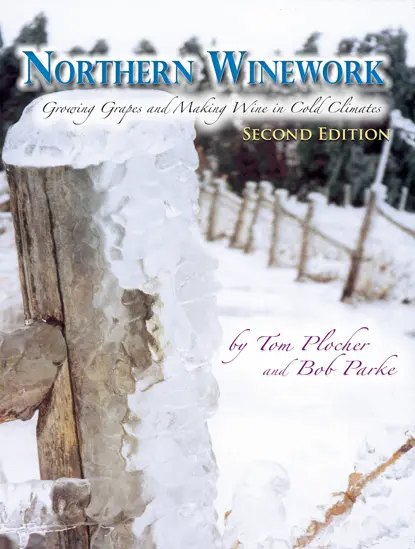
The unique aspects of grape growing in Colorado are the indirect effects of high elevation. Most suitable sites lie between 4,500 and 6,000 feet above sea level – substantially higher than most growing regions of the world. The high elevation is accompanied by an extremely dry climate. Because of these factors the region experiences intense sunlight and large daily temperature fluctuations. These features foster high pigment production and high acid, retention in most grape varieties just as they do for the traditional peach and apple crops of the area. Thus, grapes that survive Colorado winters can mature and produce fruit with highly desirable wine making characteristics. This publication is intended to present what has been learned about the particular needs of grapes in a high desert region. The experience of many growers is included as well as that from the test vineyard at the Colorado State University Orchard Mesa Research Center.